Walking Sardinia's Ancient Sites: Nuraghi, Punic Nora and Roman Cagliari

Three separate civilisations left their footprints on this island close enough together that you can walk through all of them in a single trip: nuragic stone towers older than the pyramids of Giza in some estimates, a Punic and Roman port town on the water at Nora, and a Roman road still running under a Cagliari church. I grew up a short drive from Barumini and I still find the scale of Su Nuraxi startling on every visit. This guide covers what you can actually reach on foot, what a guide is compulsory for and what isn't, and the one site whose official page I will not quote a price from, because the page itself is broken.
Quick answer
On one trip you can walk a nuragic settlement, a Punic and Roman port town, and a Roman road buried under a Cagliari church. Only Su Nuraxi di Barumini requires you to join a fixed guided visit; the others let you wander with a map, though a guide is worth arranging in advance at Nora too.
Key takeaways
- Su Nuraxi di Barumini: no solo entry, guided visits leave every half hour
- Nora on the water near Pula pairs a Punic town with Roman mosaics and baths, guide included in the €10 ticket
- Underground Cagliari puts a Roman road, a 5th-century crypt and a wartime tunnel on one from-$35 ticket → see the tour card
- Tharros on the Sinis peninsula is real and worth the drive, but we will not print a price for it here, see why below
- Every listing's full price ladder, not just the archaeological ones, is broken down on our cost guide
- Free self-guided routes through Castello also cross Roman-era ground, mapped out on our self-guided post
The Guided Walks That Reach Ancient Ground
Two listings on this site put you directly on archaeological ground on foot, inside Cagliari itself. Barumini, Nora and Tharros sit outside the city and are best reached by car or organised day trip, which is why I have built the timeline below around what a self-driven day actually looks like.
 from $35
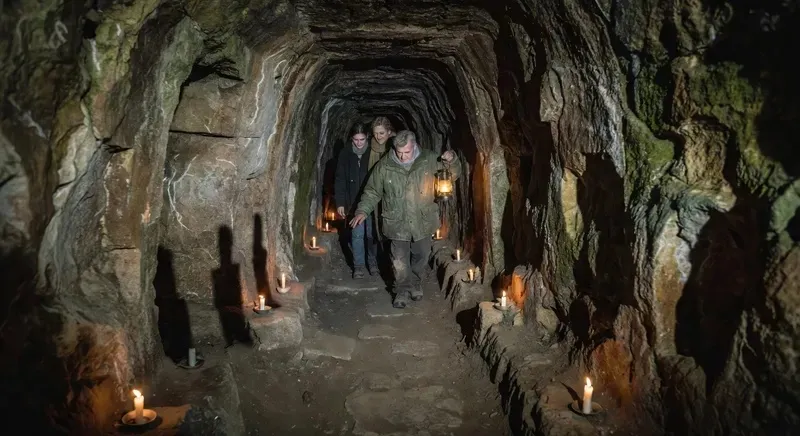
Cagliari: Underground Walking Tour
Journey beneath Cagliari's sunny streets to explore three distinct underground sites: a 120-metre WWII bunker tunnel, the 5th-century Crypt of Santa Restituta with original frescoes, and the Roman…
- GetYourGuide Certified — 2,758 verified reviews
- 120-metre WWII bunker beneath the Salesian school
- Crypt of Santa Restituta (5th century) with original frescoes
- Roman road and ruins beneath Sant'Eulalia church
 from $32
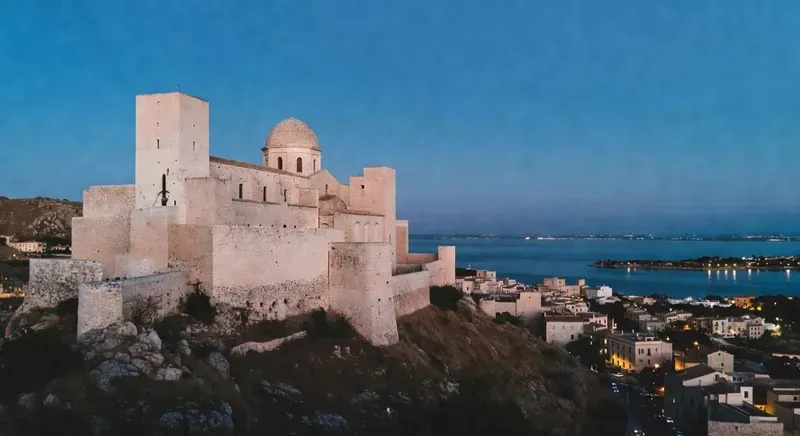
Cagliari: Walking Tour through the Alleys of Castello
Stroll through the aristocratic palaces, XIII-century towers and hidden alleys of Castello — Cagliari's social, political and religious heart from its foundation to today — with a multilingual…
- XIII-century Castello district — palaces, towers and bastions
- Cathedral of Saint Mary and the Crypt of Saints and Martyrs
- Guide in English, Italian, Spanish or French (single language)
- Private group option available
The Sites You Can Actually Walk
This is the short list of sites within reach of a walking trip, with what era each belongs to, what it costs to get in, and whether you need to book a guide ahead of time or can simply show up. Every one of them sits within a day trip of Cagliari, but Barumini, Nora and Tharros each need their own drive rather than a shared route, so pick one outlying site per day rather than trying to string them together.
| Site | Era | Fee | Hours | Guide compulsory? |
|---|---|---|---|---|
| Su Nuraxi di Barumini | Nuragic (Bronze Age) | €16 full, €14 ages 13-17, €12 ages 7-12 | Seasonal, last visit 16:00 winter to 19:00 in high summer | Yes, every half hour |
| Nora (Pula) | Punic and Roman | €10 adult, guided visit included | 09:00-17:00 to 09:00-20:00 by season | No, but arrange the guided slot in advance |
| Underground Cagliari (Roman road, crypt, tunnel) | Roman to WWII | From $35, entry fees included in the tour | Fixed tour departure times | Yes, all three sites |
| Tharros (Sinis peninsula) | Phoenician, Punic, Roman | Not verified, call ahead | Not verified, call ahead | No, self-guided walking site |
Last verified: August 2026. Su Nuraxi and Nora both come from their own foundations' official tariff pages; Tharros does not have one worth trusting, which is its own row's whole point.
Su Nuraxi di Barumini: the UNESCO Site and the Half-Hourly Rule
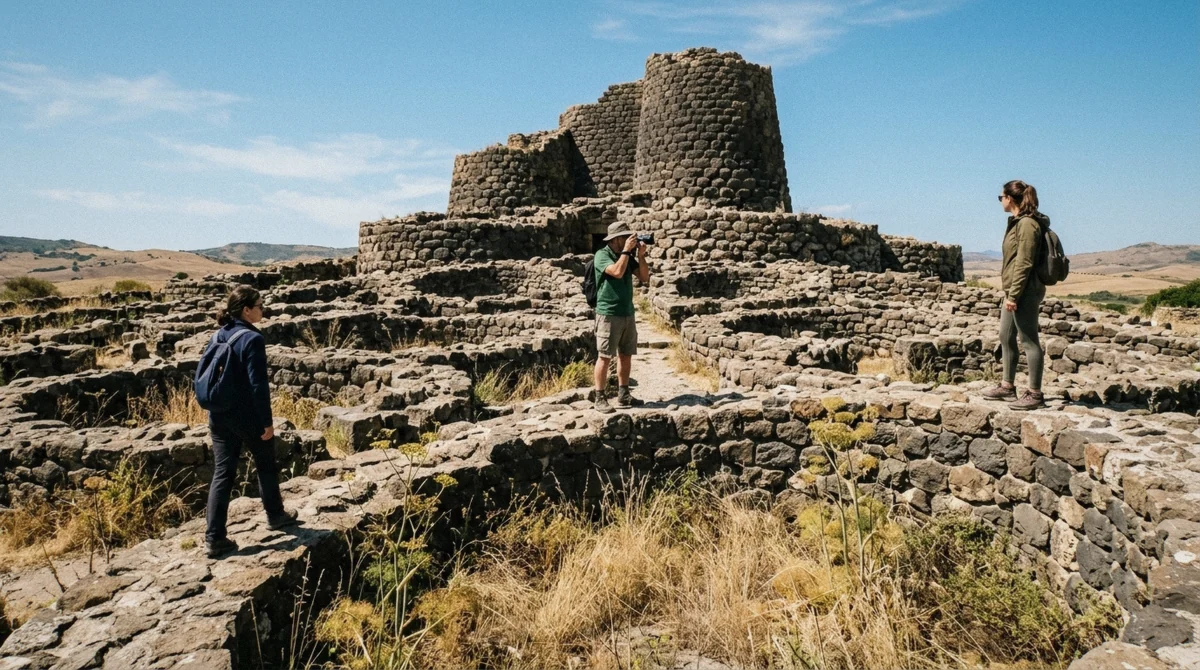
Su Nuraxi is the only UNESCO World Heritage nuragic site on the island, a central tower ringed by four smaller ones and a village of round stone huts spreading out from the base. There is no version of this visit where you park, buy a ticket and walk in alone: a guide is compulsory at all three parts of the site and visits leave every half hour, so the only real planning decision is which half hour to arrive for.
| Ticket | Price |
|---|---|
| Full (18+) | €16 |
| Ages 13-17, school groups, parties of 20+ | €14 |
| Ages 7-12 | €12 |
| Rainy-day rate (Su Nuraxi outdoor-only) | €8 |
| Under 7, disabled visitors and one companion, school escorts | Free |
The combined ticket is the only regular product on offer and it covers Su Nuraxi itself, the Casa Zapata museum built over a second nuragic complex, and the Giovanni Lilliu study centre. Budget about an hour for Su Nuraxi and roughly 30 minutes each for the other two, so the full visit runs close to two hours end to end. Su Nuraxi's own opening hours shift through the year, and the detail that catches people out is the last guided departure: 16:00 in January and February, easing to 18:30 by September, and stretching out to 19:00 across May through August.
Bad weather can restrict access to Su Nuraxi itself, though Casa Zapata and the Lilliu centre stay open regardless. Group visits go through [email protected]. Last verified: August 2026.
Nora: a Punic and Roman Town on the Water
Nora sits on a small peninsula near Pula, so the Roman baths, the theatre and the mosaic floors run right down to the shoreline, with a genuinely striking column that now stands ankle-deep in the sea at high tide. Unlike Su Nuraxi, you can walk the site without a fixed group, but the adult ticket at €10 already includes a guided visit if you arrange it ahead of time with the ticket office, and I would arrange it: the layout mixes Punic-era foundations with later Roman building on top of them in ways that are genuinely hard to read without someone pointing at the walls. The Roman theatre still hosts summer performances, and walking its stone rows without a schedule to keep is a different experience from standing in a roped-off museum gallery, which is part of why I keep sending people here over the more famous sites further north.
Guided departures run at 09:30, 11:00, 11:30, 17:00, 18:00 and 19:00. Opening hours stretch from a winter window of 09:00 to 17:00 out to 09:00 to 20:00 across June through September, with March, April, May and October sitting in between. Reduced and child prices exist but are not published clearly enough on the foundation's own site for me to quote a figure here, so check the ticket page on the day.
Give the site a minimum of ninety minutes if you want to see the theatre, the baths and the mosaics without rushing, longer if the tide is out and you want to walk right along the shoreline ruins. Last verified: August 2026.
Underground Cagliari: the Roman Layer Beneath the Streets
This is the one archaeological walk on this list you can do without leaving the city, and it stacks three completely different eras into one ninety-minute route: a Roman road and ruins under the Sant'Eulalia church, the 5th-century Crypt of Santa Restituta with its original frescoes still on the walls, and a 120-metre WWII bunker tunnel dug under the Salesian school. All three sites are closed to casual walk-ins without a guide, which is exactly what the underground Cagliari walk is built to solve, entry fees to all three included in the from-$35 price.
Bring a light jacket regardless of the season. The underground sites hold a steady 12 to 16 degrees Celsius year round, which feels genuinely cold after ten minutes on a hot Cagliari street.
Tharros and the Sinis Peninsula: Why We Will Not Print a Price
Tharros sits at the tip of the Sinis peninsula near Cabras, a Phoenician foundation that passed through Punic and then Roman hands, and what remains is genuinely worth the drive: paved Roman streets, the base of a tophet sanctuary, baths and a spread of column stumps looking out over two seas at once from the headland. I am not going to give you an hours table or a ticket price for it, because the site's own official page, tharros.sardegna.it, is currently a placeholder with nothing real on it. Every blog that quotes you a figure for Tharros right now is copying a number from somewhere else, and I would rather tell you plainly that I cannot verify it than repeat a stale price.
Call ahead before you drive out: 0783 370019.
This is also the site where I would budget the most slack into your day. Because neither the hours nor the price are confirmed anywhere reliable, treat Tharros as an add-on to a Sinis peninsula day rather than the anchor of one: pair it with the beaches nearby if the phone call confirms it's open, and have a backup plan if it isn't. The peninsula itself, with its quartz sand beaches and the fishing village of San Giovanni di Sinis right beside the ruins, is worth the drive on its own even on a day when the site's own hours turn out to be shorter than you hoped.
How to Build an Archaeological Walking Day from Cagliari
This is the realistic version, not the brochure version, built around Su Nuraxi's compulsory departures and how far Barumini actually sits from the city.
-
07:30
Leave Cagliari. Barumini is roughly an hour's drive inland, and getting there for one of the first half-hourly departures matters more than sleeping in.
-
09:00
Join the first available guided visit at Su Nuraxi. Budget close to two hours for the full combined ticket across the tower, Casa Zapata and the Lilliu centre.
-
11:00
Coffee and a look around Barumini's own small town before the drive back toward the coast.
-
12:30
Head to Cagliari and take a break through the hottest hour rather than fighting it. This is also roughly when the Bastione Saint Remy lift closes for its own midday break, a detail we cover in full in the easy-walks post.
-
14:30
Walk the underground Cagliari route: the Roman road under Sant'Eulalia, the Crypt of Santa Restituta and the wartime tunnel, all closed without a guide.
-
16:30
Finish with a slow pass through Castello above ground, past the Pisan towers and the cathedral, if there is daylight and legs left for it. The Cagliari full-day sightseeing tour covers this ground plus Molentargius and Poetto for anyone who wants the wider city added to an archaeological day.
What a Nuraghe Actually Is, in Plain Terms
A nuraghe is a stone tower built by the nuragic civilisation that occupied Sardinia through the Bronze Age, typically a truncated cone of dry-fitted basalt or limestone blocks with no mortar holding them together, corbelled inward toward the top the way a beehive is shaped. Su Nuraxi is the largest and best-preserved complex of them, a central tower with four smaller towers built around it later and a village of round huts spreading out beyond the walls. Sardinia has thousands of these towers scattered across the island, most of them unstaffed and unticketed, but Su Nuraxi is the one built up into a full complex with the museum and study centre attached, and it is the one recognised by UNESCO.
I will not hand you invented dates for when the first towers went up or how the civilisation ended, because the honest answer is that archaeologists still argue over the fine chronology. What is settled is that these towers predate the Roman presence on the island by well over a thousand years, and that nothing quite like them exists anywhere else, which is part of why Su Nuraxi earned its UNESCO listing on its own merits rather than as part of a wider Mediterranean grouping.
Walking a nuraghe on foot is a very different experience from reading about one. The corridors inside the central tower are low and narrow enough that you feel the engineering in your shoulders before you understand it intellectually, and the huts around the base, low circular footprints in stone, only make sense once a guide points out where the roof beams would have sat. None of that comes across from a photograph, which is the honest reason I keep sending visitors back to Su Nuraxi rather than describing it secondhand.
Frequently Asked Questions
Can you visit Su Nuraxi without a guide?
No. A guide is compulsory at all three parts of the site, Su Nuraxi itself, Casa Zapata and the Lilliu centre, and visits leave every half hour rather than on demand, so you cannot simply walk in and wander on your own.
How much does it cost to enter Su Nuraxi di Barumini?
The combined ticket is €16 for adults, €14 for ages 13 to 17 and for groups of 20 or more, and €12 for ages 7 to 12. There is no cheaper single-site ticket, since Su Nuraxi, Casa Zapata and the Lilliu centre are only sold together.
Which archaeological sites can you reach on foot from Cagliari?
Inside the city itself, the Roman road beneath Sant'Eulalia and the 5th-century Crypt of Santa Restituta are both walkable, see the underground Cagliari tour card. Su Nuraxi, Nora and Tharros all sit outside Cagliari and need a drive to reach, though each is entirely walkable once you're on site.
What is a nuraghe?
A dry-stone tower built by Sardinia's Bronze Age nuragic civilisation, corbelled inward like a beehive with no mortar holding the blocks together. Su Nuraxi di Barumini is the largest and best-preserved complex of them and the only one with UNESCO status.
How long do you need at Nora?
Give it at least ninety minutes to walk the theatre, the baths and the mosaic floors without rushing, and longer if you want to follow the shoreline ruins out to the column standing in the sea.
Do I need to book Su Nuraxi in advance?
It is worth booking ahead in high season, since visits are capped to the half-hourly guided groups and can fill. Group bookings go through the foundation directly at [email protected].
Why is there no price listed for Tharros on this page?
Because the site's own official page is currently a placeholder with no real information on it. Rather than repeat a stale figure copied from another blog, we tell you to call ahead: 0783 370019.
Three eras, one honest itinerary: a nuragic tower you cannot enter alone, a Roman and Punic port town where a guide is worth arranging even though it isn't required, and a layer of Roman Cagliari sitting under a church a short walk from wherever you're staying. None of it needs to be rushed into a single exhausting day, and Su Nuraxi's half-hourly rhythm is honestly a good thing once you stop fighting it and just pick an early slot. For everything else guided walks in Sardinia cover, from the coastal old towns to the city routes above ground, our full listing is where to start.